Archaeology & Heritage
Non-destructive observation of surface details on archaeological pieces for documentation and analysis.
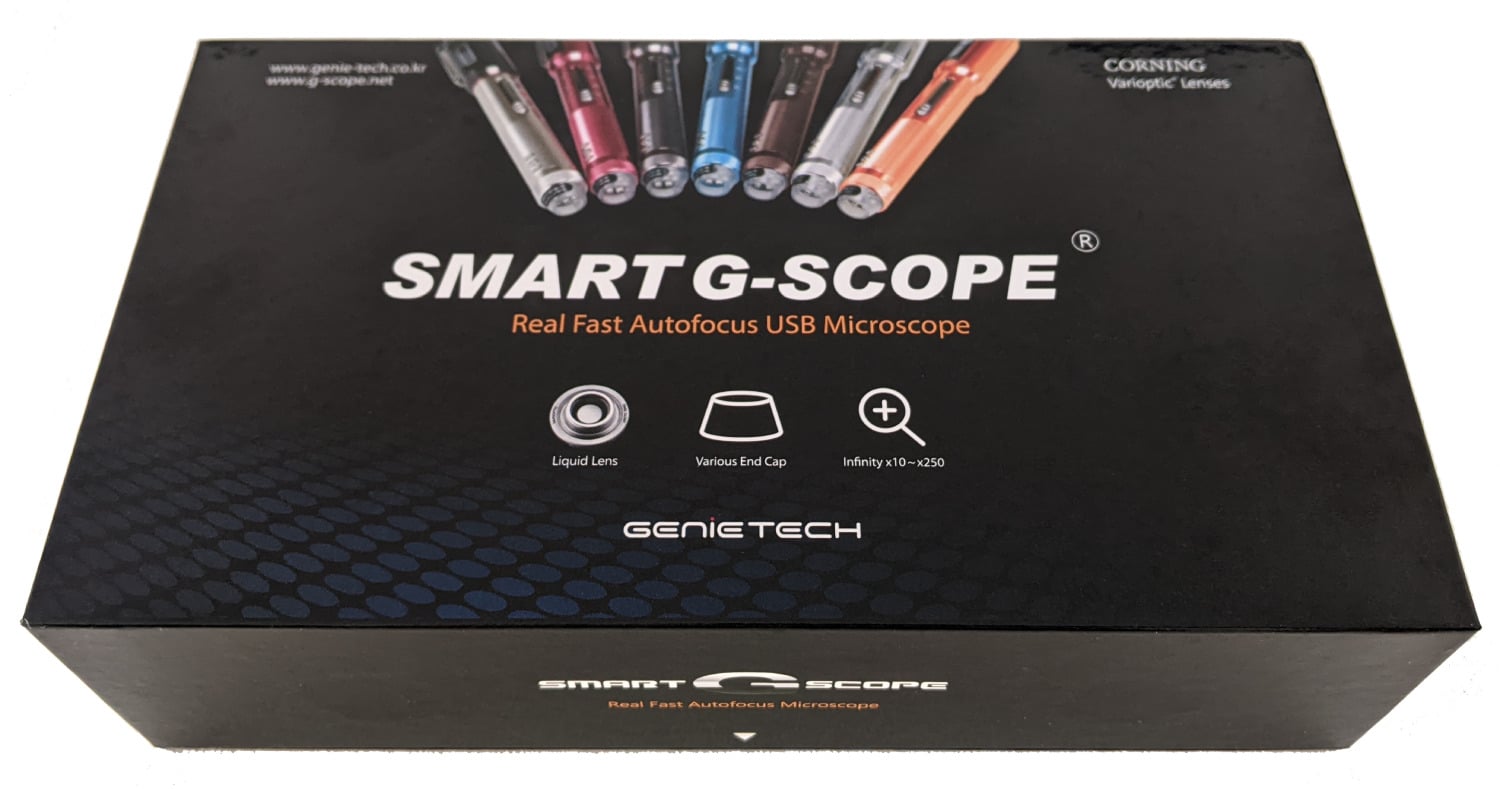
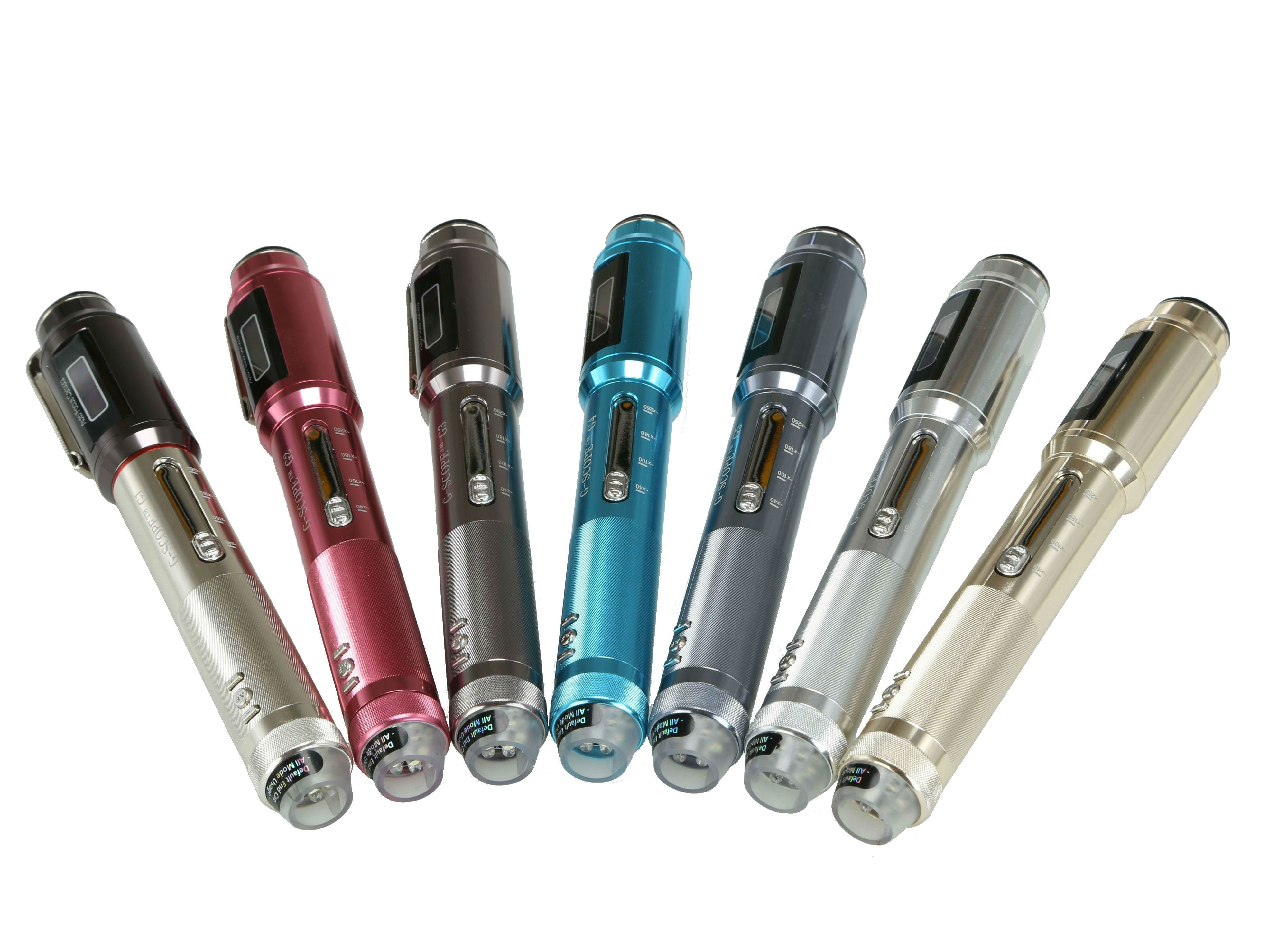
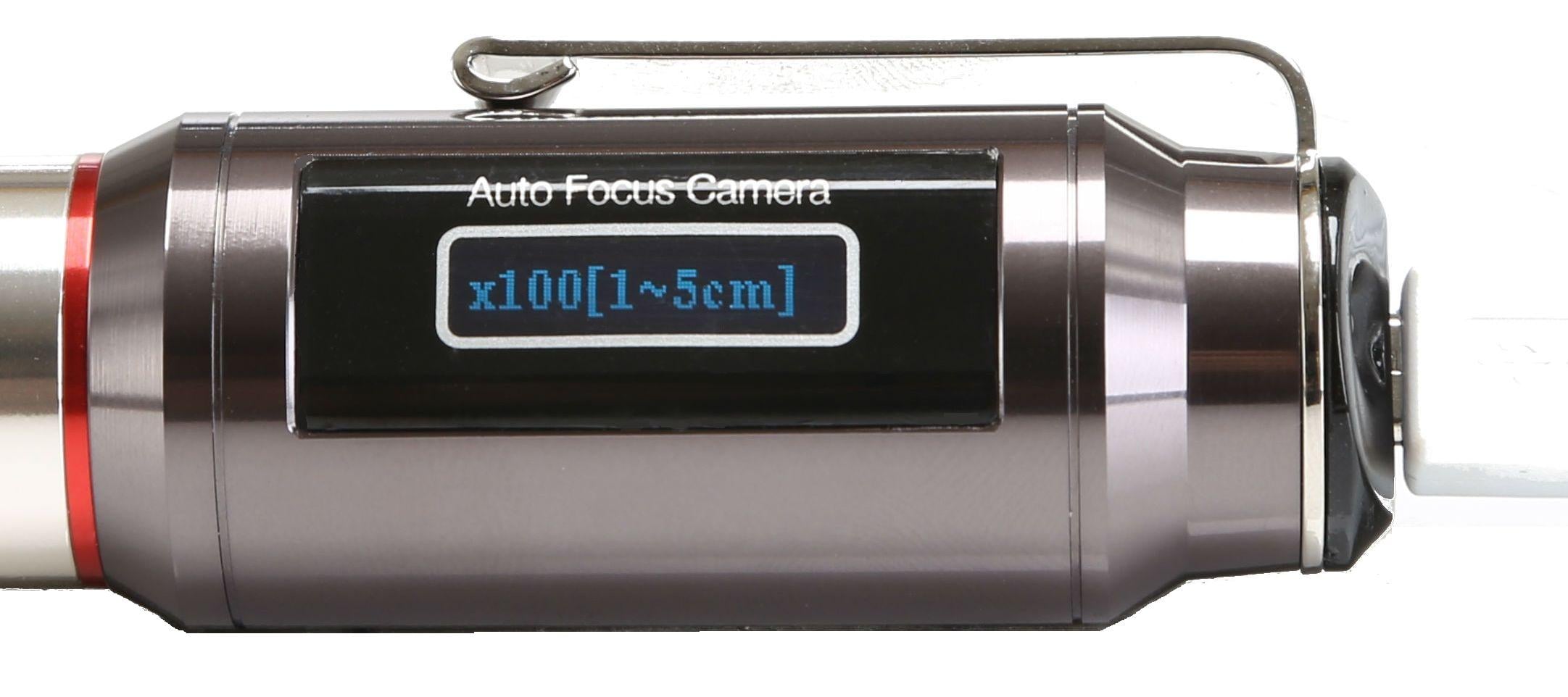
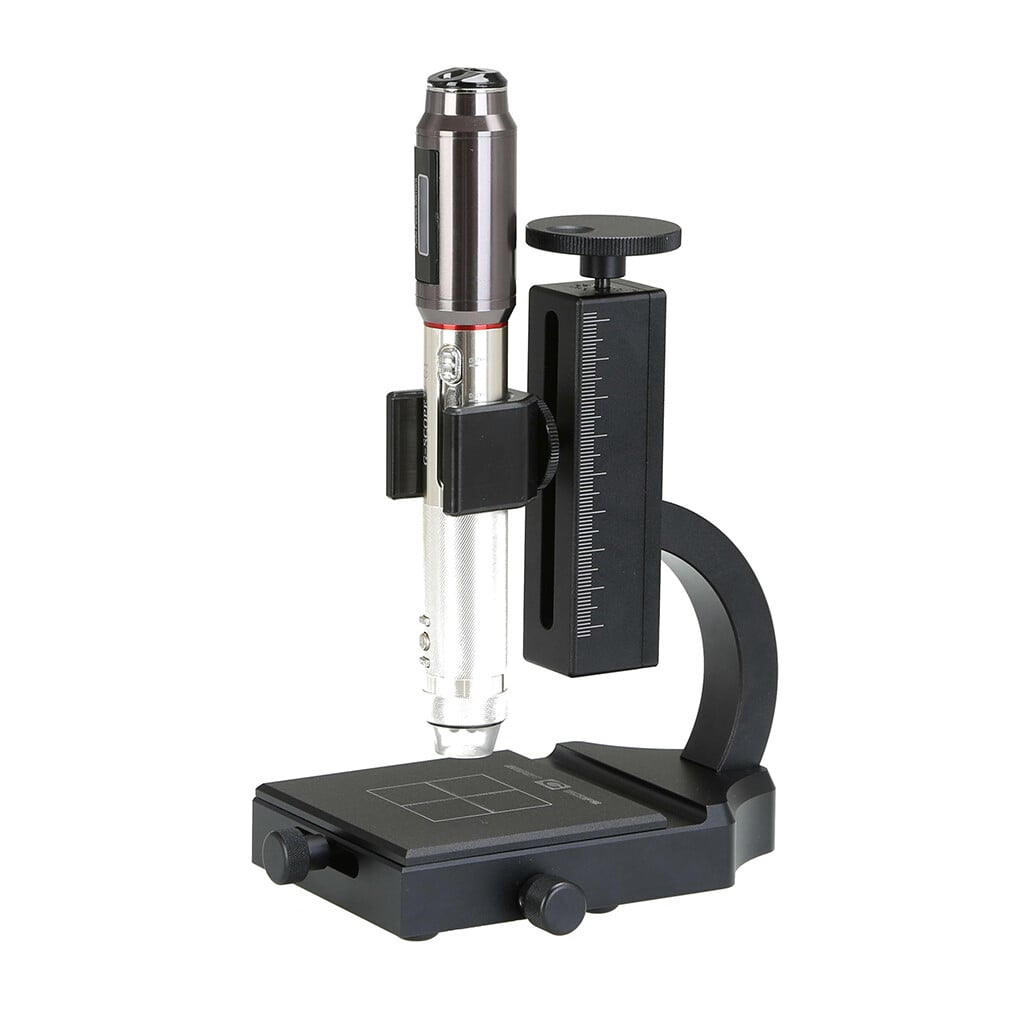
Smart G-Scope is a practical tool to examine marks, wear, micro-cracks, and texture on archaeological materials without bulky equipment.
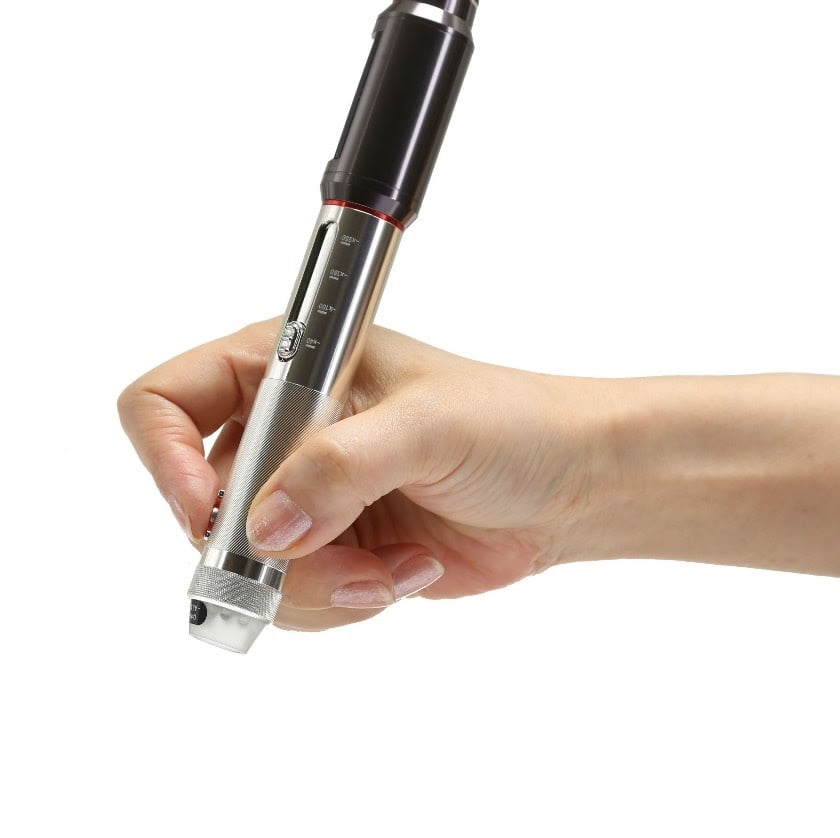
Its portability makes it suitable for both lab work and field contexts, documenting finds with photos and video.
It can help identify manufacturing techniques, surface deterioration, and conservation processes.
Key benefits
- Non-destructive analysis of surfaces and micro-details
- Immediate visual documentation of finds
- Compact equipment for lab and field work
- Enables before/after comparisons in conservation
Image gallery
Click any image to enlarge
Practical examples
Tool marks on ceramics or metal
Examine manufacturing and wear traces to infer techniques or production processes.
Condition assessment
Detect micro-cracks, flaking, or surface deterioration before intervention.
Find documentation
Capture detailed images for reports, inventories, and collaborative work with other teams.
Limitations & best practices
- It does not replace advanced analytical techniques (SEM/EDS) when detailed chemical composition is required.
- Irregular objects may require flexible support to achieve stability.
Interested in this use case?
Buy Smart G-Scope
Get the right kit for this application. Secure checkout and fast shipping.
Need help choosing? Tell us your workflow and we’ll recommend the best setup.
Related use cases
Forensics
Analysis of physical evidence, toolmarks, fibers, and documents in investigations.
Education
Accessible microscopy for science labs, biology, geology, and teaching research projects.
Geology
Mineral identification, rock analysis, and documentation of geological samples.
Microbiology
Observation of colonies, microbial structures, and preparations for teaching and basic research.
Entomology
Observation of insects and arthropods for identification, teaching, and scientific documentation.
Environment
Examine water, soil, and biological samples for education, fieldwork, and lab use.
Restoration
Analyze pigments, craquelure, and fibers to support conservation and restoration workflows.