Geology and Mineralogy
Mineral identification, rock analysis, and documentation of geological samples.
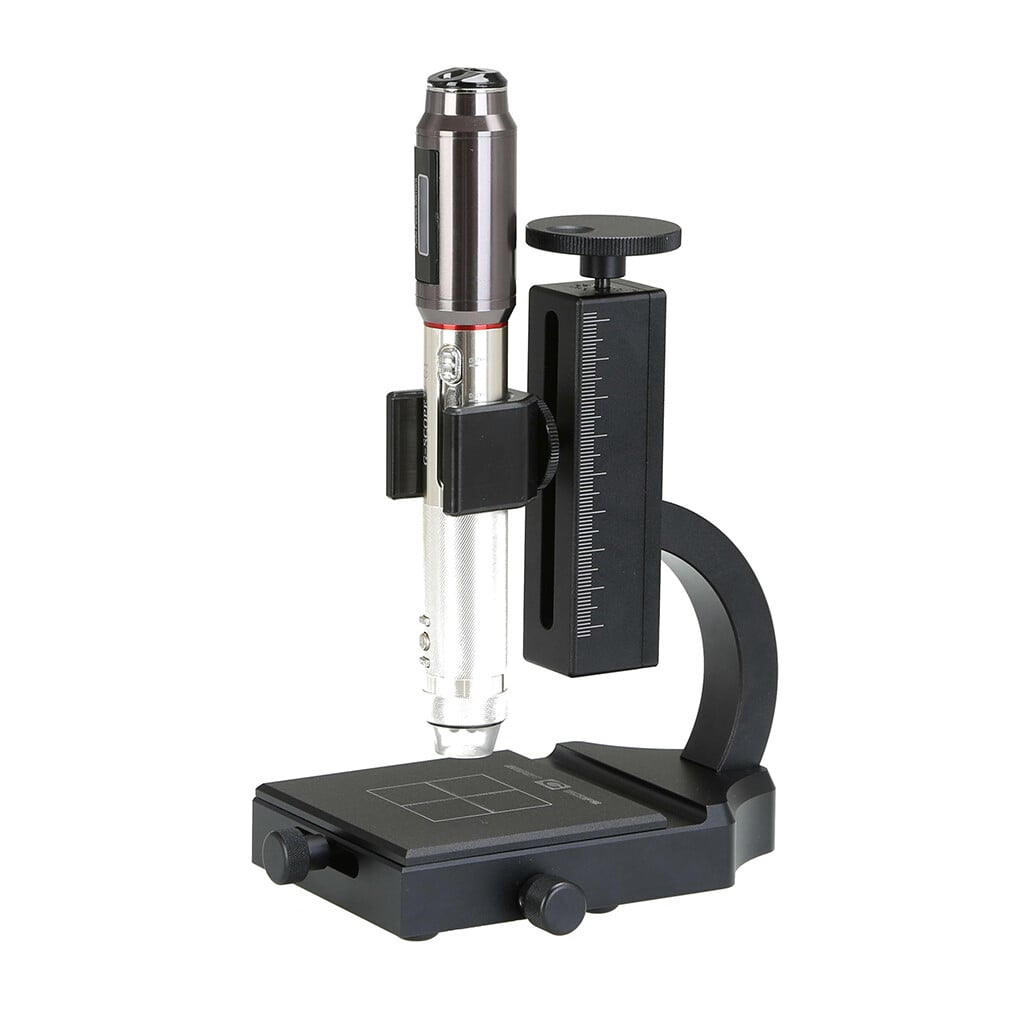
Geologists and mineral collectors will find Smart G-Scope a practical tool for preliminary sample examination in the field and in the lab. It helps observe textures, fractures, inclusions, and crystal relationships at magnifications useful for macroscopic identification.
Photographic documentation supports cataloging collections, preparing exploration reports, and communicating with other specialists or customers.
In university geology teaching, the device allows students to examine thin sections and hand samples, complementing traditional petrographic microscopes with a low-cost tool that is easy to project and share.
Key benefits
- Preliminary identification of minerals and textures
- Sample documentation for cataloging
- Portable use in field and lab
- Observation of inclusions, cleavage, and fractures
- Teaching complement to petrographic microscopy
Image gallery
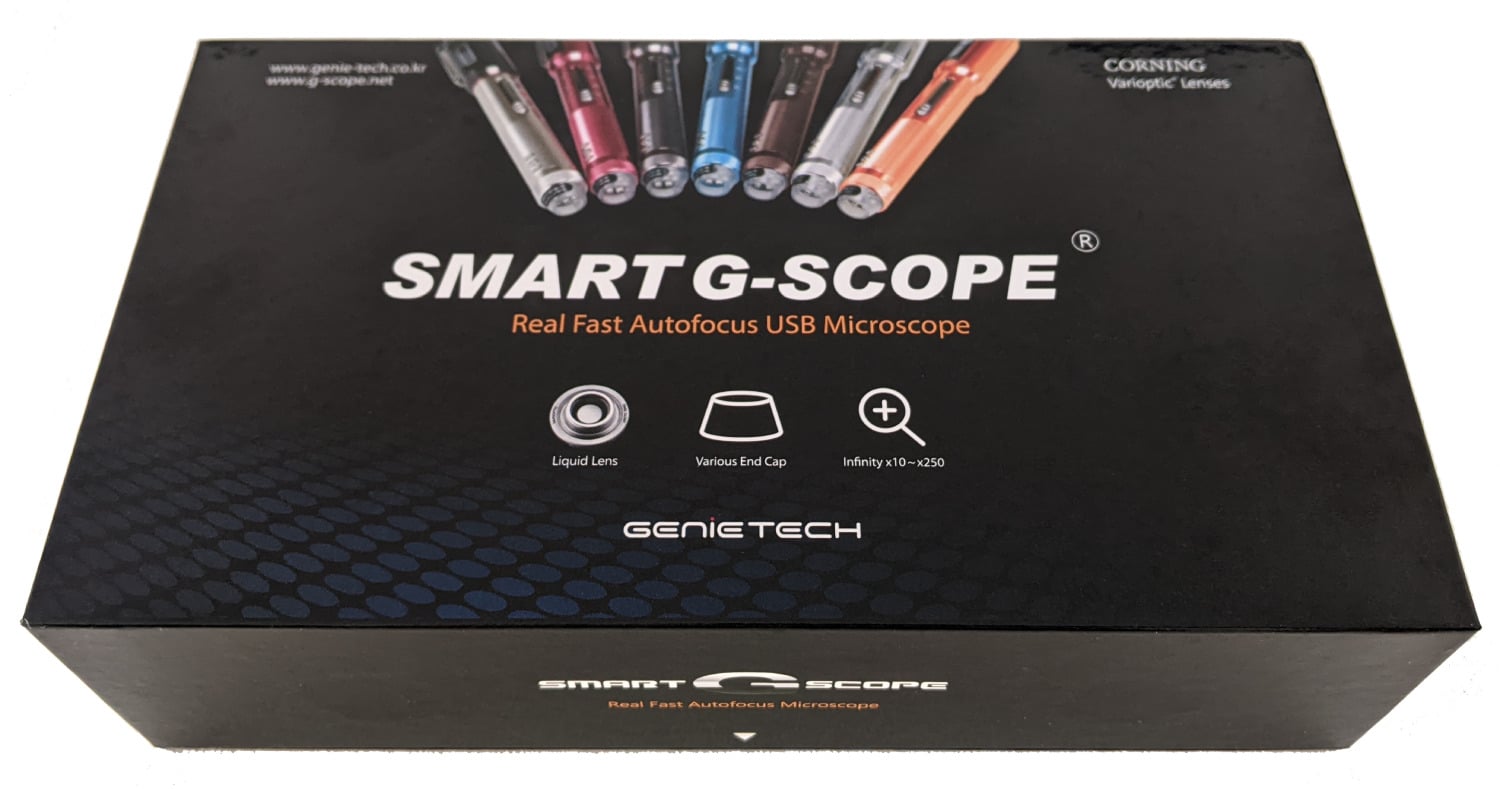
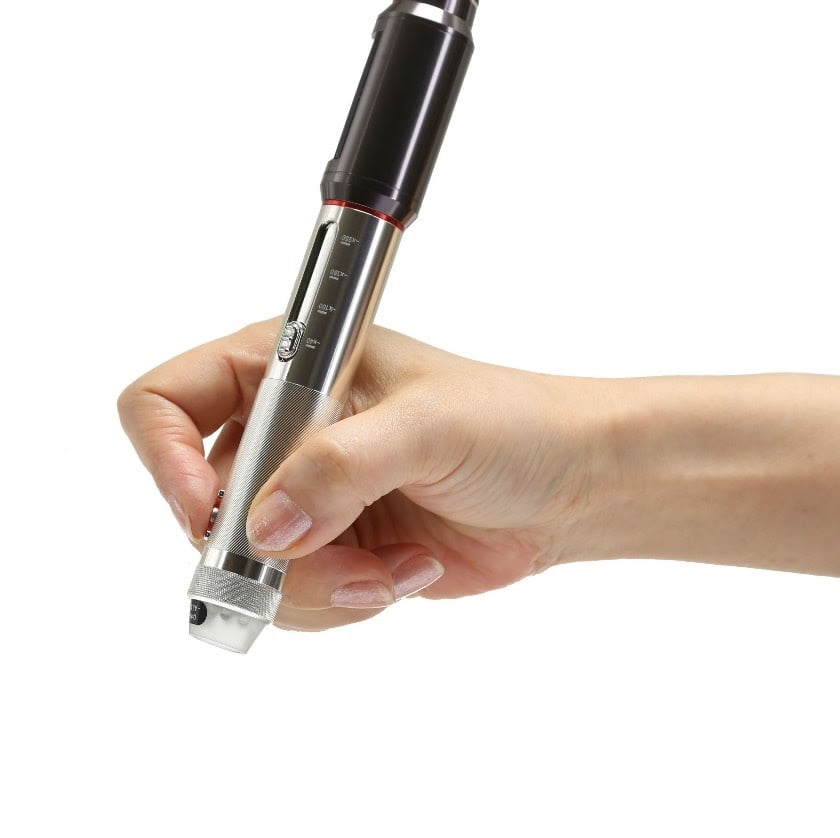
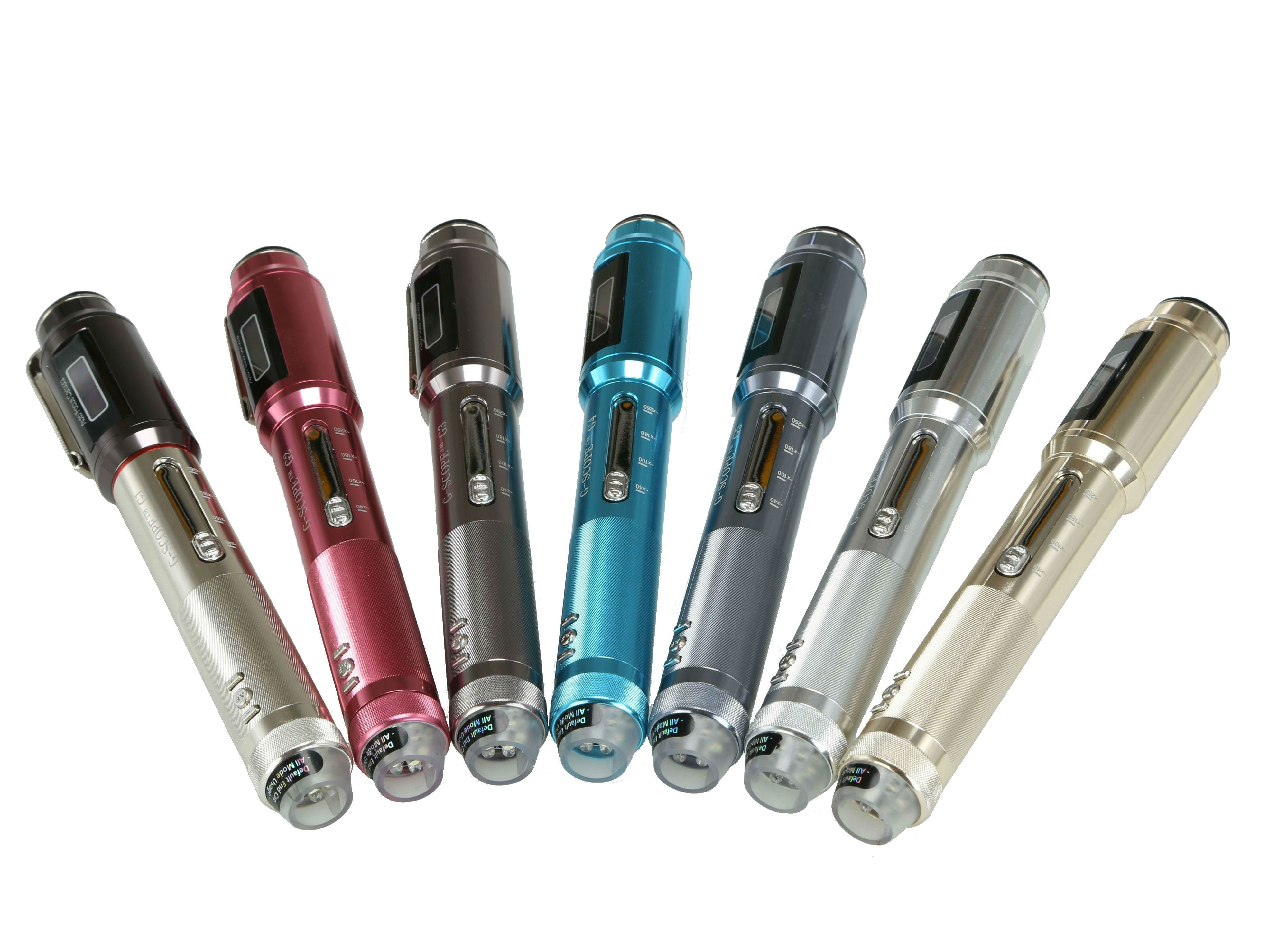
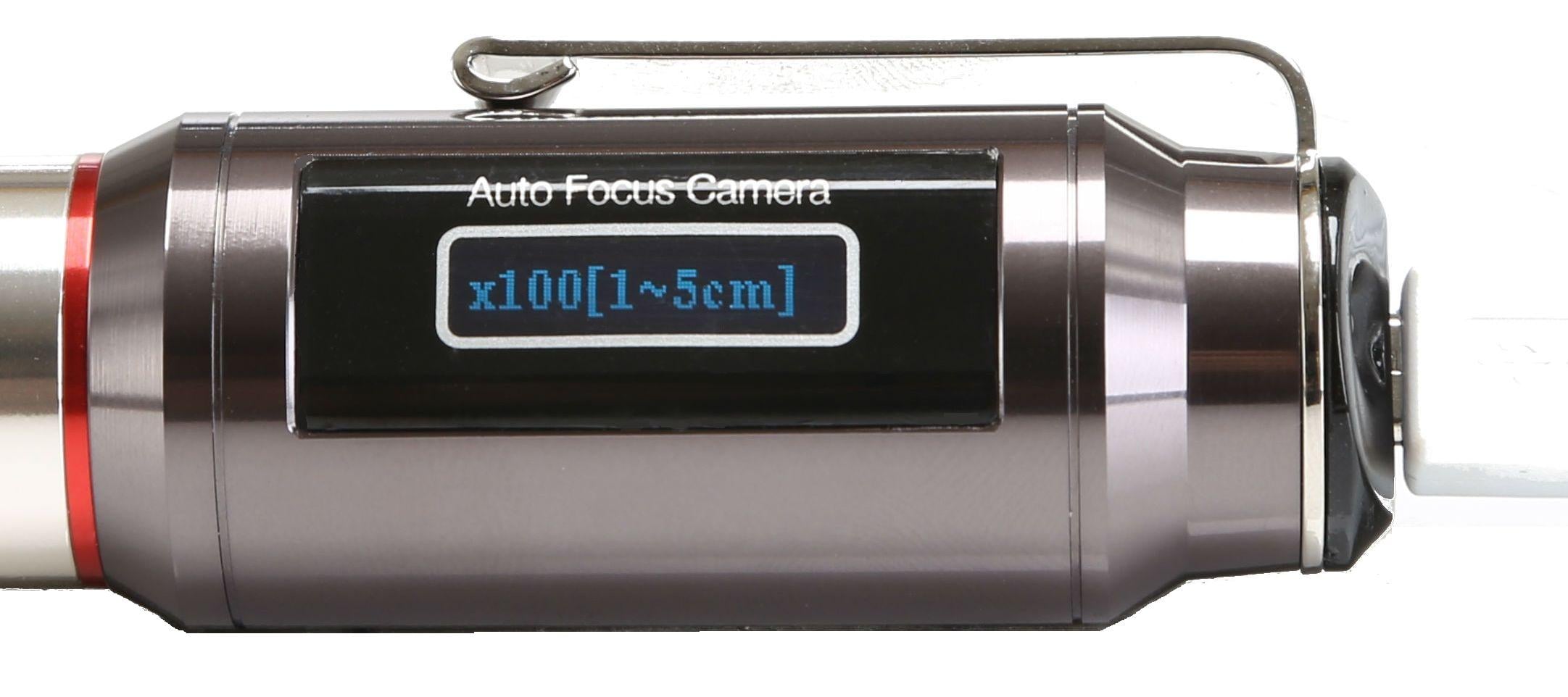
Click any image to enlarge
Practical examples
Mineral exploration fieldwork
An exploration geologist uses Smart G-Scope in the field to examine drill core, documenting textures and mineralization of interest before selecting samples for laboratory analysis.
Collection cataloging
A hobbyist collector documents their mineral collection with detailed images of each specimen, building a visual database shared with other enthusiasts online.
Limitations & best practices
- Advanced optical determinations require a petrographic microscope.
- Clean samples from dust before photographing.
- Use side lighting to better highlight textures.
Interested in this use case?
Buy Smart G-Scope
Get the right kit for this application. Secure checkout and fast shipping.
Need help choosing? Tell us your workflow and we’ll recommend the best setup.
Related use cases
Forensics
Analysis of physical evidence, toolmarks, fibers, and documents in investigations.
Education
Accessible microscopy for science labs, biology, geology, and teaching research projects.
Microbiology
Observation of colonies, microbial structures, and preparations for teaching and basic research.
Archaeology
Non-destructive observation of surface details on archaeological pieces for documentation and analysis.
Entomology
Observation of insects and arthropods for identification, teaching, and scientific documentation.
Environment
Examine water, soil, and biological samples for education, fieldwork, and lab use.
Restoration
Analyze pigments, craquelure, and fibers to support conservation and restoration workflows.