Basic Microbiology
Observation of colonies, microbial structures, and preparations for teaching and basic research.
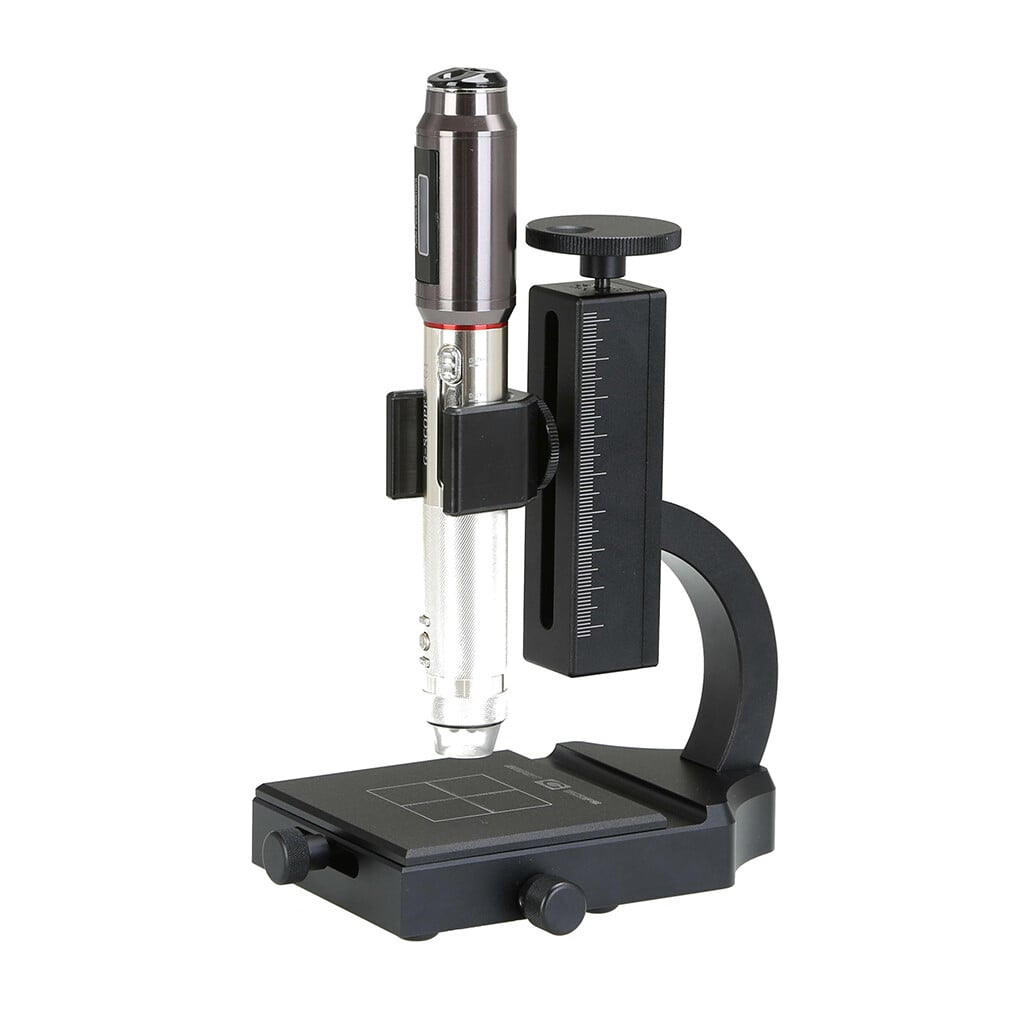
Although Smart G-Scope does not reach the magnification of a laboratory optical microscope, it is useful for basic and macroscopic microbiology observations. It can help examine bacterial and fungal colonies on plates, yeast preparations, filamentous algae, and fungal structures.
In microbiology teaching, the device helps students become familiar with colony morphology and capture images for lab reports, complementing the traditional microscope.
In low-budget research or citizen science projects, Smart G-Scope is an accessible option for documenting environmental samples and sharing findings online.
Key benefits
- Observation of colonies and macroscopic morphology
- Culture documentation for reports
- Image capture of wet mounts
- Accessible tool for microbiology education
- Citizen science and outreach projects
Image gallery
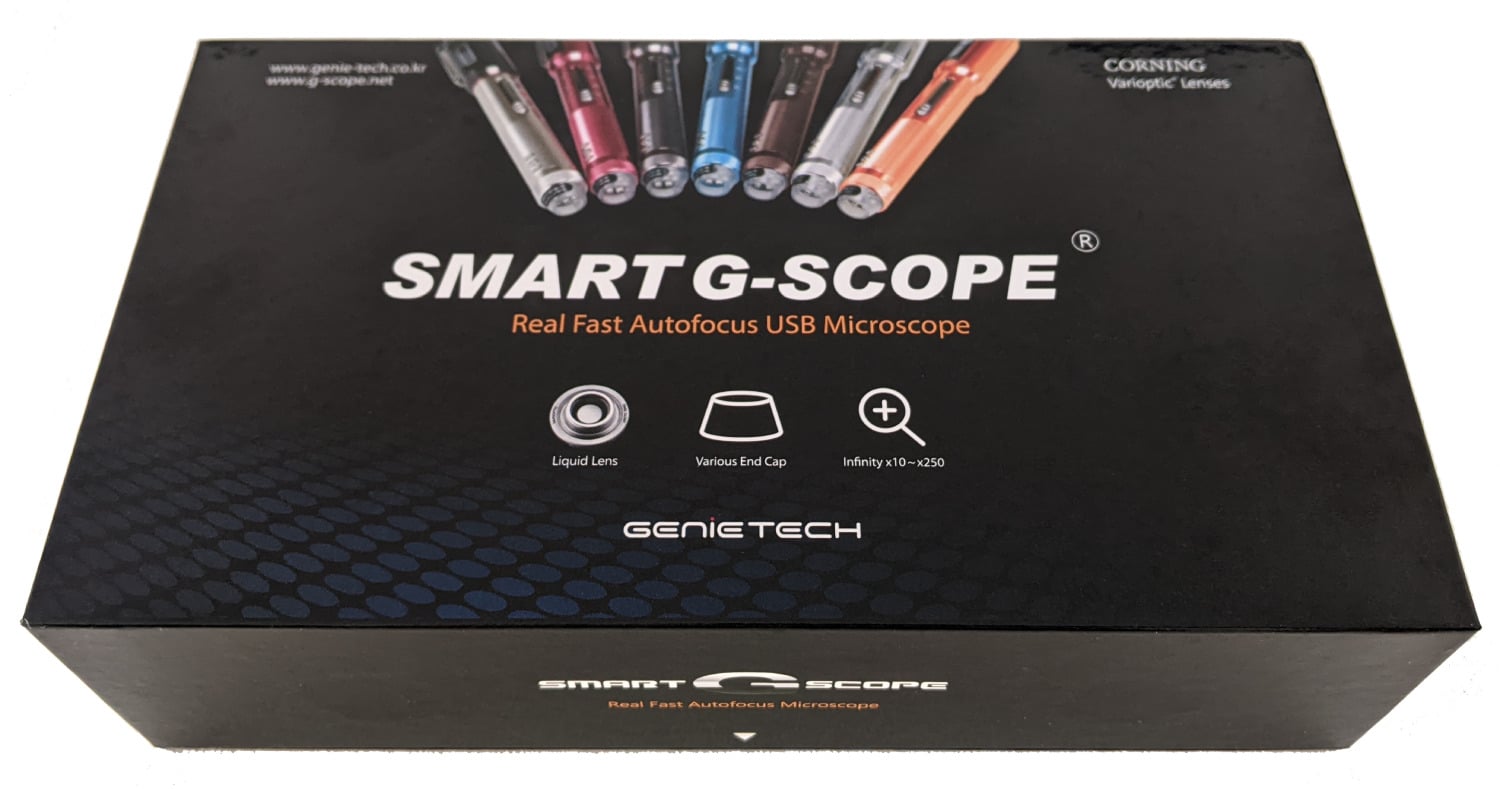
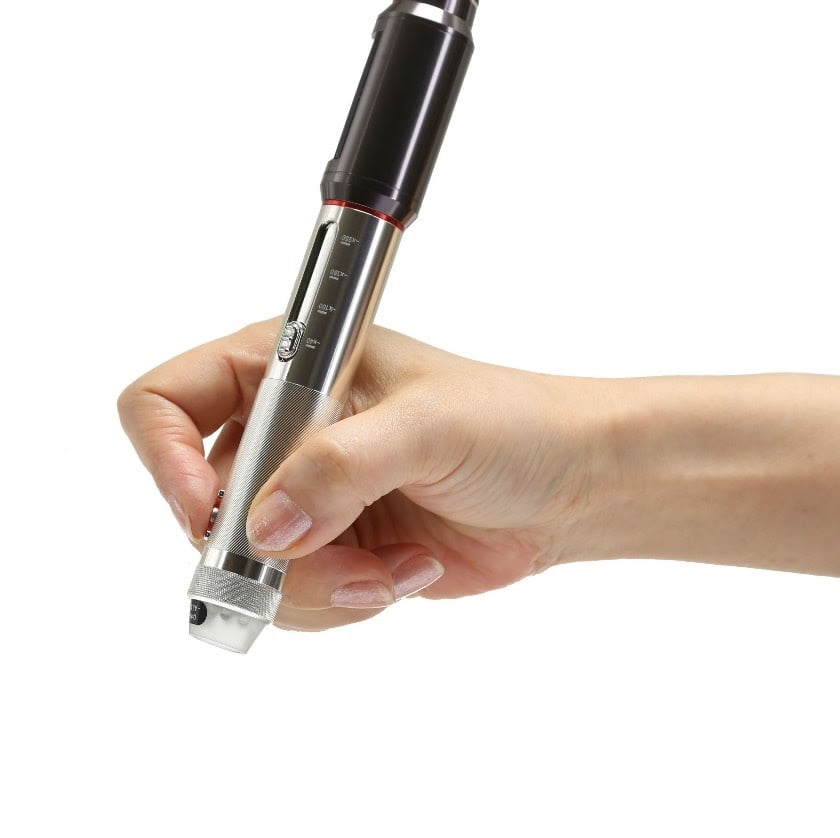
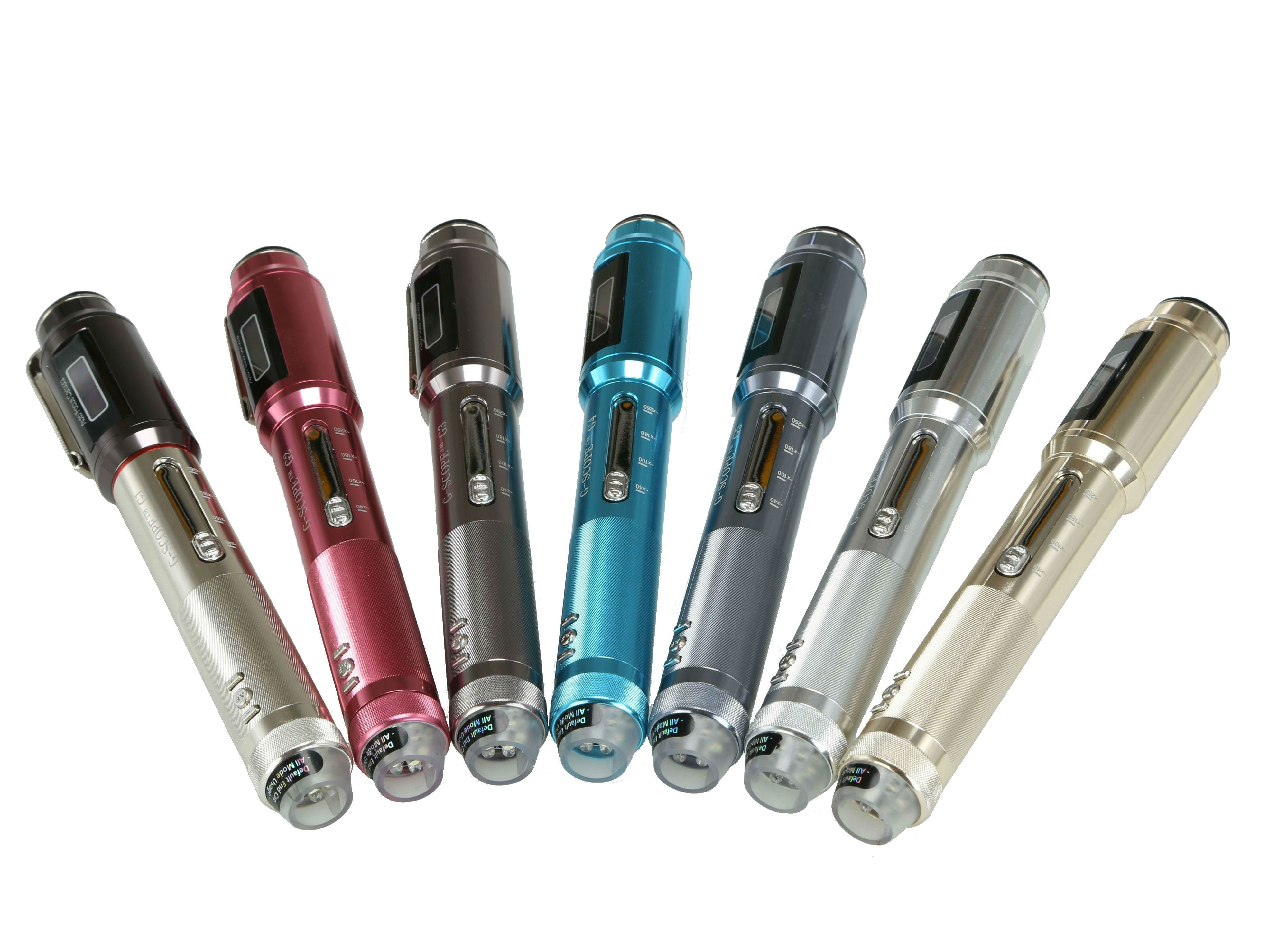
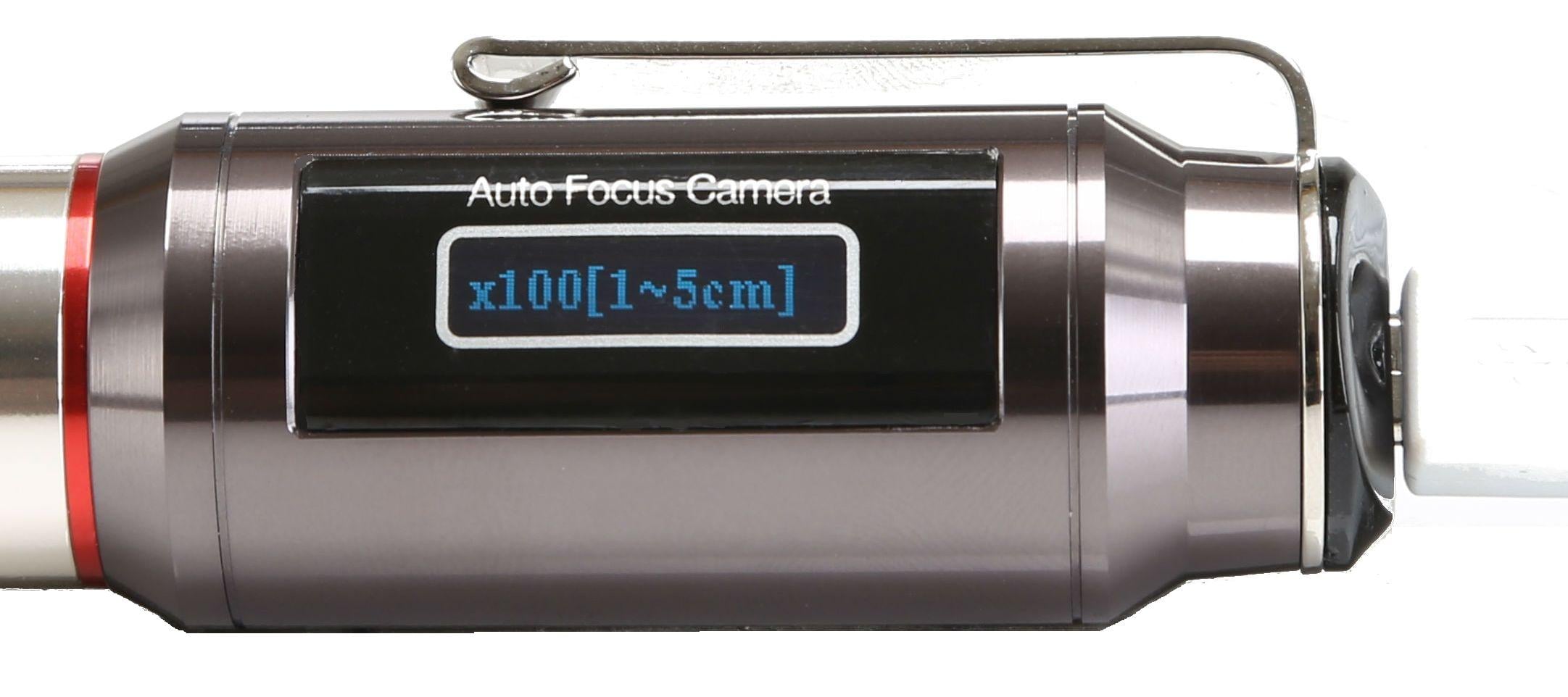
Click any image to enlarge
Practical examples
Teaching lab practice
Biotechnology students document colonies from different bacterial strains grown on selective media, comparing morphology and pigmentation using Smart G-Scope.
Citizen science project
A nature enthusiast group collects water samples from a local pond, documenting visible algae and protozoa with the USB microscope and sharing findings on a biodiversity platform.
Limitations & best practices
- Insufficient magnification for detailed observation of individual bacteria.
- Staining and immersion microscopy require laboratory equipment.
- Follow biosafety protocols when handling potentially pathogenic samples.
Interested in this use case?
Buy Smart G-Scope
Get the right kit for this application. Secure checkout and fast shipping.
Need help choosing? Tell us your workflow and we’ll recommend the best setup.
Related use cases
Forensics
Analysis of physical evidence, toolmarks, fibers, and documents in investigations.
Education
Accessible microscopy for science labs, biology, geology, and teaching research projects.
Geology
Mineral identification, rock analysis, and documentation of geological samples.
Archaeology
Non-destructive observation of surface details on archaeological pieces for documentation and analysis.
Entomology
Observation of insects and arthropods for identification, teaching, and scientific documentation.
Environment
Examine water, soil, and biological samples for education, fieldwork, and lab use.
Restoration
Analyze pigments, craquelure, and fibers to support conservation and restoration workflows.